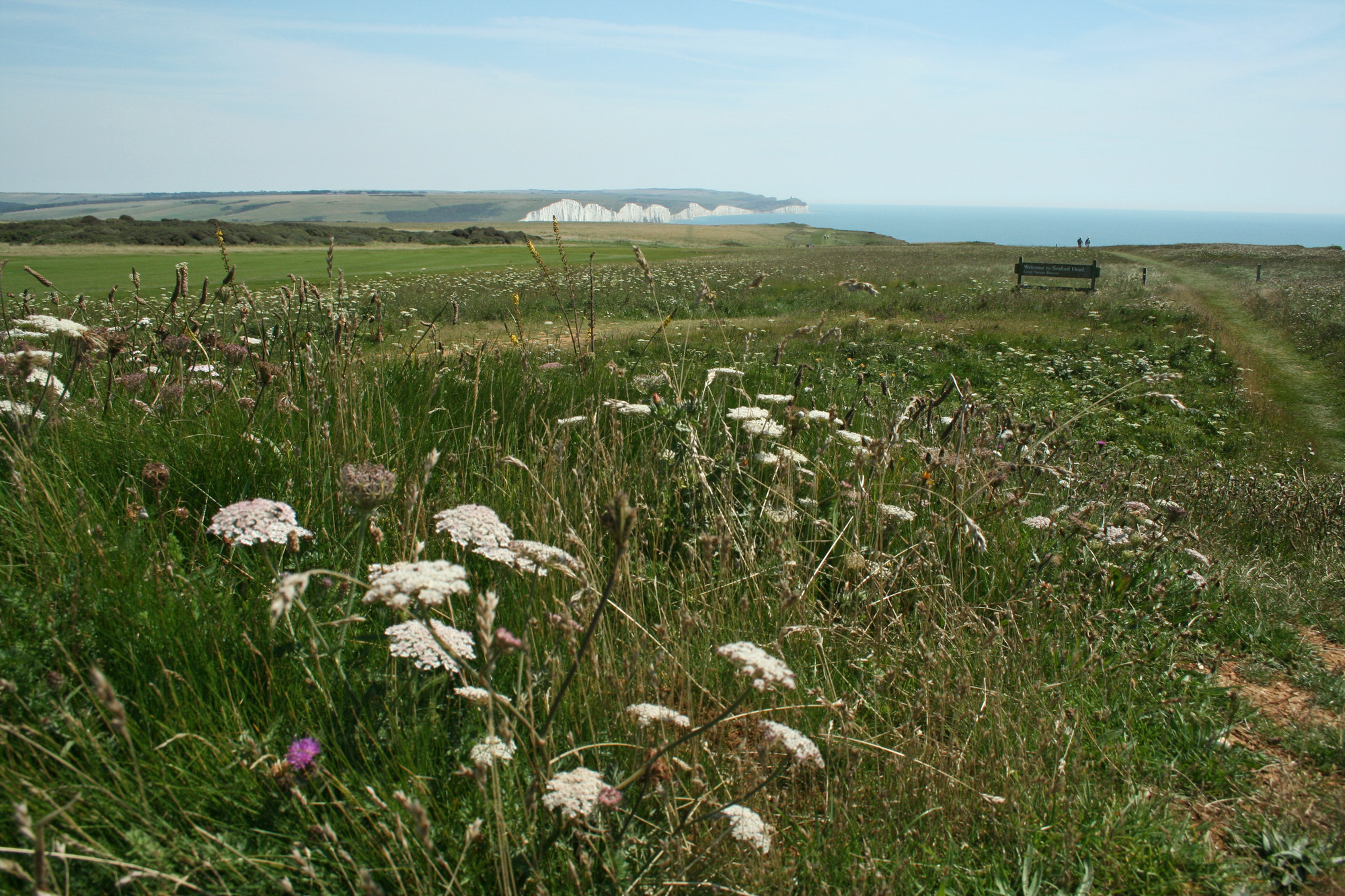
Huge new water-inspired National Nature Reserve is created in South Downs
Pic by Deb Pople
A new National Nature Reserve spanning a vast area of East Sussex has been announced today to help protect vital water resources in the unique chalk landscape.
The Seven Sisters National Nature Reserve (SSNNR) is the UK’s first groundwater-inspired reserve of its kind and seeks to protect our drinking water, which filters through the chalk landscape of the South Downs. The National Nature Reserve, which covers 1,500 hectares, includes precious wildlife habitats, including chalk grassland, rare chalk heath, woodland, saltmarsh, scrubland, flood plains, an estuary and underwater chalk reefs.
The aim of the new designation is to safeguard precious groundwater that provides drinking water to around half a million people and improve biodiversity, as well as connect local communities, businesses and visitors with the area’s remarkable, water-rich wildlife haven.
The Seven Sisters National Nature Reserve stretches from Seaford to the chalk downland around busy urban areas in Eastbourne and includes the Seven Sisters cliffs, Cuckmere Valley and Lullington Heath.
The partners in the project are all bodies that own and manage land in the area. They are Eastbourne Borough Council, Forestry England, National Trust, Natural England, Seaford Town Council, South Downs National Park Authority, South East Water and Sussex Wildlife Trust.
The creation of the Seven Sisters National Nature Reserve will allow much greater collaboration between the organisations, helping to connect the matrix of habitats in the area through better landscape management. A key goal of the partnership is to work closely with landowners and farmers to grow the National Nature Reserve to include more privately-owned land. The work will include regenerative, nature-friendly farming to improve the soils, improving the quality of waterways and conservation grazing by sheep, ponies or cows to help the chalk grassland flourish.
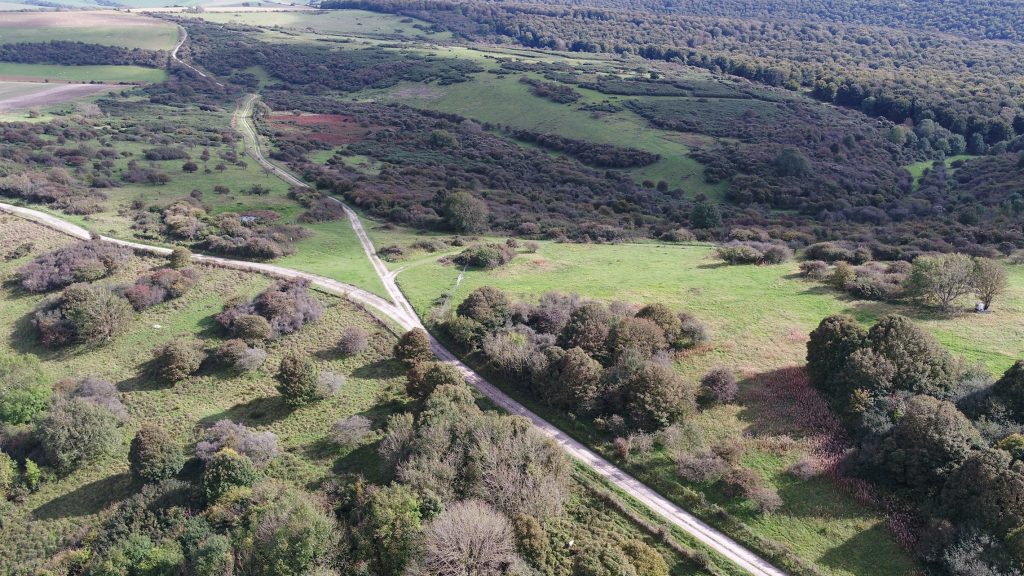
The designation is part of the King’s Series of National Nature Reserves, creating a lasting legacy for future generations to enjoy, appreciate and care for the natural world.
The announcement comes as World Water Day takes place on Sunday, 22 March and a fun community weekend has been organised at Seven Sisters Country Park – which is part of the wider reserve. Activities this Saturday and Sunday (21 and 22 March) will include guided walks, talks and water-based family fun, all with the aim of inspiring people about this fascinating landscape.
The chalk geology of this coastal corner of Sussex is extraordinary. The chalk rock is the remains of tiny sea creatures that lived in an ancient sea between 100 and 66 million years ago, when T.rex and Velociraptor still roamed the Earth. Compacted by burial and uplifted tectonic forces over millennia, it now forms a huge chalk dome that contains one of Britain’s largest aquifers – an unseen, finite water resource that needs protecting. The porous nature of the chalk means it acts as an enormous sponge, soaking up thousands of litres of water.
On top of the ground is a vast network of chalk streams, rivers, estuaries, wetlands, ponds and coastal waters – all supporting hundreds of species of flora and fauna, including wading birds such as dunlin and redshank, the short-snouted seahorse, the rare yellow-horned poppy and the mysterious yellow brain fungus.
A celebration event took place today at Longbridge Regenerative, a landholding next to Lullington Heath at the heart of the National Nature Reserve, bringing together the eight partners and their shared vision for the future.
Councillor Jim Murray, Cabinet Member for Carbon Neutral 2030 at Eastbourne Borough Council, said: “We are proud to help drive forward this important initiative, reflecting our commitment to protecting the rare chalk landscapes that define our coastline and support such exceptional biodiversity.
“By safeguarding these internationally important habitats and the vital groundwater beneath them, we are investing in a healthier environment, stronger climate resilience, and a legacy that will benefit both wildlife and local communities. We look forward to continuing this collaborative effort to ensure that this remarkable landscape thrives for generations to come.”
Dan Whyment, East Districts Forest Management Director, Forestry England, said: “We’re proud to support the creation of this new National Nature Reserve. The chalk landscapes of East Sussex are among the most distinctive in the country, and they play an essential role in supporting rare wildlife and protecting the groundwater that local communities depend on.
“Through this partnership, we’re committed to sharing our expertise in sustainable land management and supporting the collective effort to ensure this nationally important environment continues to thrive.”
Jane Cecil, National Trust General Manager for the South Downs, said: “From the spectacular views of the Seven Sisters at Birling Gap; to the Cuckmere Valley, a haven for over-wintering wildfowl, rare wildflowers and salt marsh plants. The National Trust is proud to look after these remarkable habitats and to be part of the new Seven Sisters National Nature Reserve.
“We can do much more for nature as a collective, rather than on our own. Working together we want to ensure that wildlife in these special habitats can flourish, and improve access so that people in the South Downs can enjoy the vast array of wildlife on their doorstep for many generations to come.”
Jim Seymour, Natural England Deputy Director for Sussex and Kent, said: “The Seven Sisters National Nature Reserve represents an exciting opportunity to work not just with our partners, but with the local community.
“We want to champion local farmers with their on-going hard work and dedication into balancing our essential food supply and supporting our natural environment.
“This National Nature Reserve is unlike any that has come before it. It centres around the vital groundwater in the area, and the iconic Seven Sisters chalk landscape is essential for protecting that water.”
Steve Quayle, Town Clerk of Seaford Town Council, said: “Seaford Town Council is proud to be a key part of this National Nature Reserve partnership, which recognises both the exceptional natural environment we are fortunate to have on our doorstep, and our shared responsibility to protect it.
“This designation not only strengthens the long-term conservation of our landscapes and wildlife, but also creates opportunities for residents and visitors to better connect with nature, support local wellbeing, and take pride in Seaford’s unique coastal setting. We look forward to continuing to work with our partners to ensure this special place is protected and enjoyed for generations to come.”
Siôn McGeever, Chief Executive of the National Park Authority, said: “It’s so exciting to be part of this new partnership to help protect and enhance this truly unique area of the South Downs National Park.
“Chalk and water are a central part of the South Downs and they are vital for both nature and people. We’ve just unveiled our Partnership Management Plan for the next five years and water is quite rightly one of our priorities.
“I’m looking forward to seeing what we can achieve together to create a lasting legacy of cleaner water, more biodiversity, better soils and local communities inspired and empowered to care for this incredible landscape.”
Emma Goddard, Head of Environment at South East Water, said: “We are pleased to see the vision of a National Nature Reserve designated for the protection of underground water resources become a reality. The way land is managed affects the quality and quantity of groundwater which is used to provide clean fresh drinking water. Climate change is putting pressure on water resources, with the South East being declared water stressed by the Environment Agency.
“Reconnecting communities with where their water comes from and protecting this finite resource has never been so important. Using ecosystem-based measures is cost effective and has a lower carbon footprint than other measures, with the added benefits of increasing biodiversity, more carbon capture from the environment and improving the mental wellbeing of the local community through providing a connection to nature.”
Chris Corrigan, CEO of Sussex Wildlife Trust, said: “No single organisation can deliver the scale of nature recovery we need in Sussex, so effective collaboration is essential. The Seven Sisters landscape contains a wide range of much-loved and ecologically important habitats and species, all influenced by its unique chalk geology. Safeguarding this iconic landscape, including its vital water resources, for the future depends on working together. Each partner brings something different, and by sharing knowledge and supporting one another, we strengthen our chances of success. This is why we warmly welcome this new partnership and look forward to working more closely with everyone involved.”
The Seven Sisters National Nature Reserve represents a significant extension of the current Lullington Heath National Nature Reserve.
- The reserve is based on the chalk hills of the South Downs around Seaford and Eastbourne and forms part of the Sussex Heritage Coast, which is globally renowned for the chalk cliffs of the Seven Sisters.
- The official public notice about the declaration can be seen here.